

Reed (Phragmites australis)
An aggressively spreading wetland plant across the Nordic and Baltic region; harvesting is active landscape management, and its fibre is genuinely underexplored in packaging.
● Pulping · Refining · Furnish development · Lemi · Finland
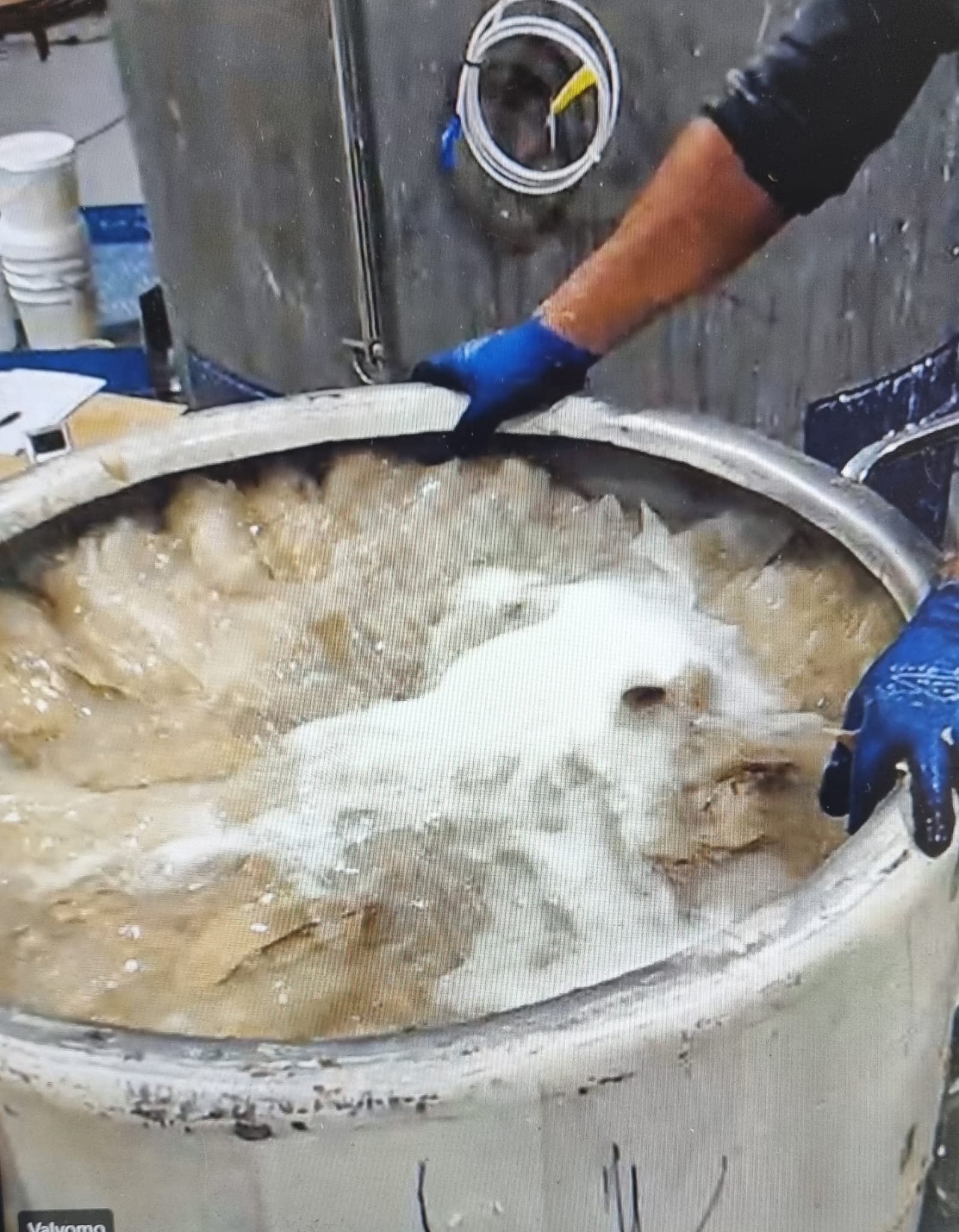
Agrofibre pulping converts agricultural residues — cereal straw, reed, husks, bagasse — into papermaking and molding-grade pulp. The raw material is abundant, annually renewable and usually a disposal problem for someone; the difficulty has never been supply. It's process development: every agrofibre pulps, refines and drains differently from wood, and from each other — and few facilities in Europe can develop those processes at meaningful scale.
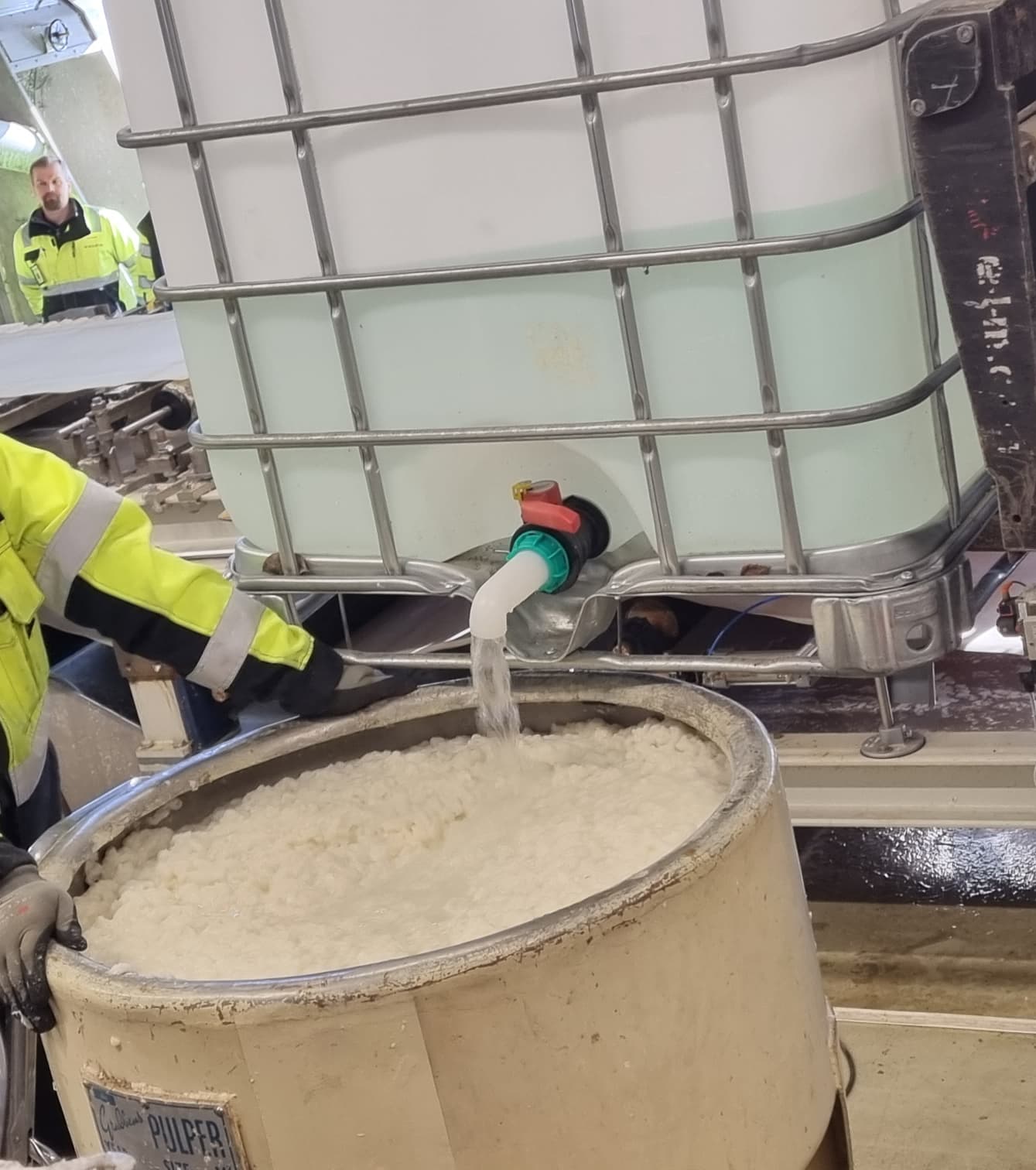
Loonshot Factory runs agrofibre pulping development in Lemi, Finland — from raw stalks to characterised furnish, and onward into paper machine trials or molded fibre products on the same site.
FEEDSTOCKS · 01
An aggressively spreading wetland plant across the Nordic and Baltic region; harvesting is active landscape management, and its fibre is genuinely underexplored in packaging.
The classic European agricultural side-streams, available in volume from the grain belt.
The global benchmark non-wood fibre — useful as a reference point for novel feedstocks against established Asian and South American production.
The fibrous residue of agave processing, an emerging feedstock with no established European processing reference.
In practice many viable products come from blending agrofibres with each other or with recycled fibres to balance cost, strength and drainage.
If your feedstock isn't on this list, that's normal — the platform exists precisely for fibres without an established processing route. We can also source several of these feedstocks from our own networks, so early trials don't depend on your supply chain.
DEVELOPMENT · 02
Agricultural fibres typically need chemical pre-treatment before mechanical processing — commonly mild alkaline treatment — and the right intensity is feedstock-specific: enough to enable fibre separation, not so much that yield and strength are sacrificed. We develop the pre-treatment window per feedstock.
Mechanical refining develops the bonding ability of the separated fibres. On our industrial conical refiner we map energy input against freeness and fibre quality, producing the refining curves that define how the fibre behaves — and what it costs to process.
Optical fibre analysis (length, width, fines, curl), freeness and handsheet testing establish what the pulp can do before any machine trial. This is where a feedstock's realistic product window becomes visible: which fibres carry strength, which fill, which need a blend partner.
The same furnish then runs on real forming processes — pilot papermaking or molded fibre forming — closing the loop between raw material and product.
Lab capability is detailed on the equipment page.
QUESTIONS · 03
Yes. 'Non-wood pulp' is the umbrella term (any pulp not made from wood); 'agrofibre' (or agrofiber) narrows that to agricultural residues and purpose-grown crops — straw, reed, bagasse, hemp, husks. Recycled textile fibre is cellulose-based but is usually kept as its own category.
Non-wood fibres bring silica, fines and drainage behaviour that wood-based systems were never designed for. Straw pulps can drain slowly and press poorly; reed brings coarse fractions that need separate handling; bagasse arrives with pith that must be managed. None of this is a reason not to use agrofibres — it is why pilot-scale process development exists.
CONTACT
Tell us the feedstock and the target product — we come back with a realistic development path.